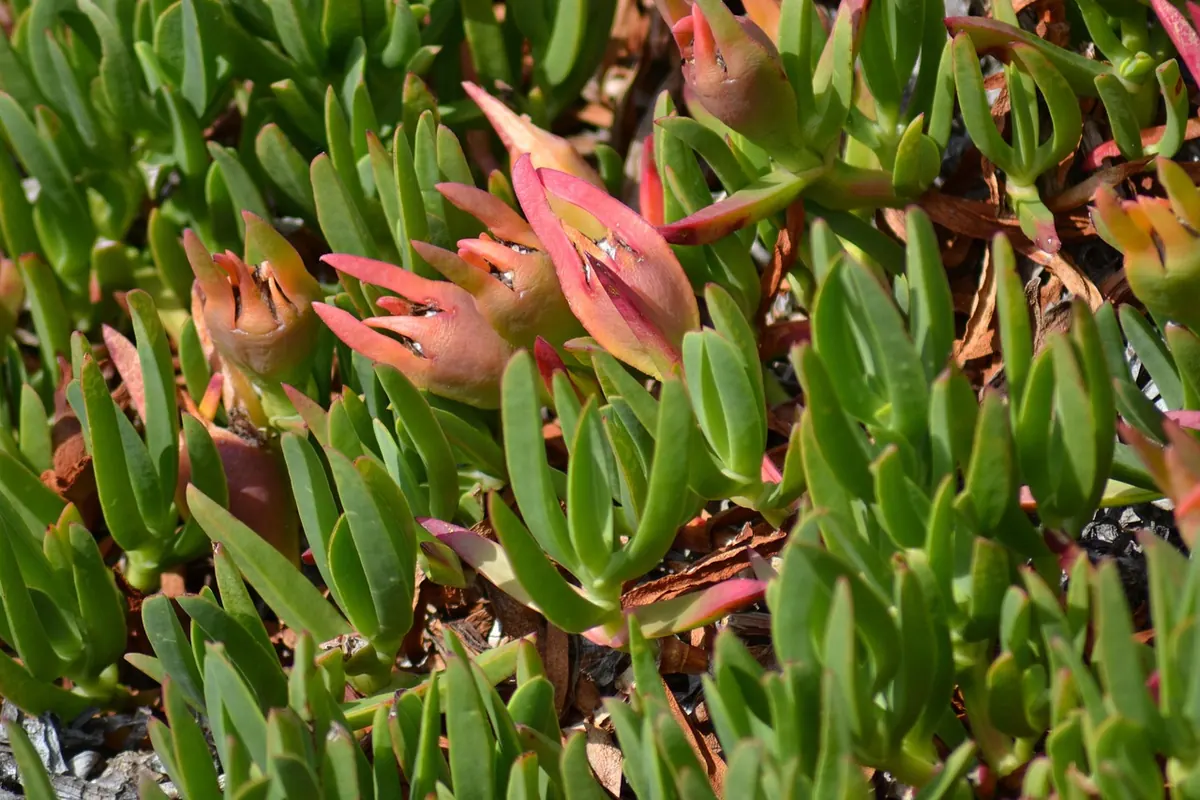
Sea air is lovely to walk through and hard work to garden in. Salt rides on the wind and scorches leaves, winter gales strip moisture from evergreens, and sandy ground can drain a summer downpour away in minutes. None of that means a coastal plot has to look beaten up. It means choosing plants that have already worked out how to live there — and giving them a bit of help while they settle.
Whether you have a windswept front garden, a narrow strip behind a sea wall or a third-floor balcony facing the water, the same few principles apply. Get those right and the plant list below will do the rest.
Wind damage is rarely dramatic. It is cumulative: leaves lose water faster than roots can replace it, growth comes out stunted and lopsided, and buds on the exposed side simply fail to develop. On cold coasts wind also lowers the effective temperature, so a plant sold as hardy can behave as though it were growing several degrees further north.
Salt adds a second problem. Fine droplets of seawater settle on leaves and draw water out of the tissue, which shows up as brown, papery margins and scorched tips — even on plants that have been watered properly. Salt also builds up in the top few centimetres of soil, which is why seaside beds often benefit from a mulch and the occasional flush of fresh water.
Most coastal planting failures are site problems rather than plant problems.
All of these are reasonably hardy, tolerant of salt-laden air and content on free-draining ground. They will grow inland too — they simply won't be tested in the same way.
Wind on a balcony is worse than in a garden, because there is no soil to anchor anything and pots dry out fast. Use the largest containers you can safely manage — 40cm across or more — and group them tightly so the plants shelter one another. Put a single evergreen shrub, such as griselinia or olearia, in the windward pot as a screen, then arrange lavender, thyme and blue fescue around and in front of it. Choose glazed or heavyweight pots over flimsy terracotta, sit them against the wall rather than on the open edge, and use saucers in summer so water isn't lost the moment it is poured.
Prune in spring wherever you can. Cutting back in late summer or autumn encourages soft growth that gets shredded by the first gales. After a storm, check for plants that have been rocked loose — press the rootball back in and firm the soil around it. If leaves look scorched and papery after a spell of onshore wind, soak the foliage with fresh water from a hose or can; rinsing the salt off helps the plant recover. Do it in the evening or on a cloudy day so wet leaves don't burn in strong sun.
Feed lightly. Rich, fast growth produces floppy stems and tender leaves that wind ruins, so a spring mulch is usually enough.
Begin with three or four plants rather than a whole border. Autumn is the best time to put them in: the soil is still warm, rain does the watering for you, and roots get a head start before the wind picks up. Watch your plot for a week first — note where wind funnels between buildings, which corner dries out first, and how far the spray actually reaches. Then put the toughest things in the worst spots.
Expect to lose one or two. Coastal gardening is partly about learning your own stretch of coast, and no list can do that for you. Ask at a local nursery what survives in nearby gardens; a plant that has proved itself a few streets away is worth more than any general recommendation. Give everything a full year before you judge it, and you will end up with a garden that looks settled rather than struggling.
Photo: PollyDot / Pixabay
How to identify common British seashells, mermaid's purses and other beach finds — plus the simple rules that keep...

British seaside weather can deliver four seasons in one afternoon. Here is a flexible packing list covering layers,...
A month-by-month coastal gardening guide covering shelter, mulching, pruning and planting for colour, with practical...


Coastal living, nature, and seaside inspiration.
