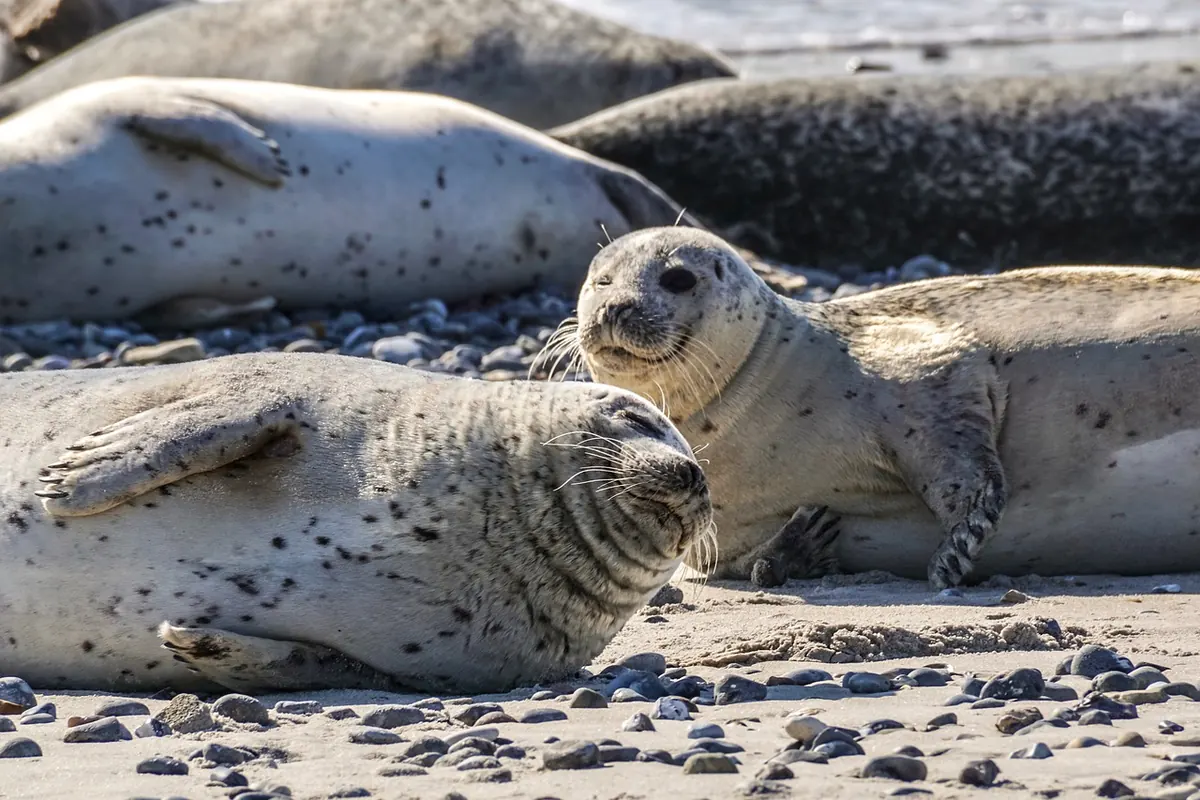
Low tide on a rocky shore is the best free wildlife show in Britain, and it runs twice a day. You need no permits, no expensive kit and no guide — just a tide table, a pair of grippy boots and the patience to stand still for ten minutes. Here is how to find seals, seabirds and shore crabs, tell them apart, and leave the coast exactly as you found it.
Everything on the shore is organised by the tide, so start there. Harbour noticeboards, local tide tables and most seaside websites will give you the day's high and low water. Aim to arrive an hour or two before low tide, and start heading back as the water begins to push in rather than waiting for it. On rocky headlands, the sea can creep round behind you while you are busy looking the other way — that is the classic coastal trap. If you are new to an area, pick a beach with an obvious escape path and keep an eye on the horizon behind you.
Most beginners sweep their eyes across a whole beach and see nothing. Slower is better. A rocky shore is layered like a cake. At the top sits the splash zone, where lichen blackens the rock. Below it come barnacles, limpets and periwinkles, then mussel beds and dense seaweed, and finally the lower shore, exposed only at the lowest tides, where the richest rockpools wait. Each band holds different creatures, and knowing which one you are standing on saves a lot of fruitless staring.
Seals favour offshore sandbanks, sheltered coves and the calmer water behind islands. Seabirds gather on cliff faces, rocky stacks and along the tideline. Crabs and small fish live under weed and stones in pools. Estuaries and mudflats are superb at low water, when waders and wildfowl spread out to feed. Try scanning sideways along the tideline rather than straight down at your feet — you will catch far more movement that way.
Two species turn up around the British coast: the grey seal and the common, or harbour, seal. The names mislead. Grey seals are the more numerous around many UK shores, and both can appear on the same stretch of coast.
Watch for a head breaking the surface offshore. Seals often float upright with their nose up, quietly studying you before you have spotted them. If a "log" has appeared on a sandbank since yesterday, check it with binoculars. Keep at least 100 metres away, further if pups are present, and let your binoculars do the walking. If a seal lifts its head, stares and slides into the water, you were already too close; retreat quietly. Keep dogs on a lead and drones on the ground — UK seals are protected by law, and disturbance can be an offence.
Cormorant and shag. Both are dark, thin-necked divers that sit low in the water and perch on posts and rocks with their wings held out to dry. Cormorants are larger and bulkier, with a hooked bill and often a white patch at the throat in spring. Shags are slimmer and greener-looking, more strictly coastal, and grow a small crest in the breeding season.
Oystercatcher. Unmistakable: black above, white below, a long orange-red bill and pink legs. Its piping call carries right across a bay. You will usually find it probing in sand or working a mussel bed.
Turnstone. Small, speckled and orange-legged, flicking over seaweed and pebbles in search of food. That habit of flipping stones is exactly where the name comes from.
Gannet. A big, pale bird with black wingtips and a yellowish head, gliding on stiff wings before folding them back and plunging into the sea from height. You will often see them from a clifftop rather than the beach.
Guillemot and razorbill. Crowded onto cliff ledges and bobbing on the water beneath. Guillemots are brownish with a thin, pointed bill; razorbills are blacker with a thicker, blunt bill crossed by a white line. Add kittiwakes too — small gulls with black wingtips, yellow bills and dark legs, nesting on the narrowest ledges. If you are watching cliff nesters, stay back from the edge and never look over from above; the birds below are easily flushed.
Rockpooling is where beginners get closest to wildlife, and the shore crab is the usual first catch — a green-brown crab with a roughly square shell that lurks under weed and darts sideways when disturbed. It can give a sharp nip for its size, so hold one from behind with your fingers either side of the shell, if you hold it at all. Other regulars:
If an animal changes what it is doing because of you, you are too close.
That single rule covers most situations. Move slowly and quietly, wear muted colours, keep your distance and resist the urge to feed anything. Never separate a pup from the group, never chase a bird for a photograph, and never pocket a shell that still has someone living in it. Take litter home, leave seaweeds attached where you can, and check local signage — some reserves and beaches have their own guidelines that go further than the general ones.
Check the tide, arrive two hours before low water, and give yourself one hour on the rocks. Walk the tideline first with binoculars, scanning for heads offshore and birds working the water. Then settle beside a single promising pool and kneel there for fifteen minutes without moving. You will see more in that quarter of an hour than in an hour of walking. Note what you found — species, place, time — and you will start to notice patterns: which pools hold crabs, which rocks the turnstones prefer, where the seals haul out at a particular state of tide. The coast rewards the same visit, made often.
Photo: suju-foto / Pixabay
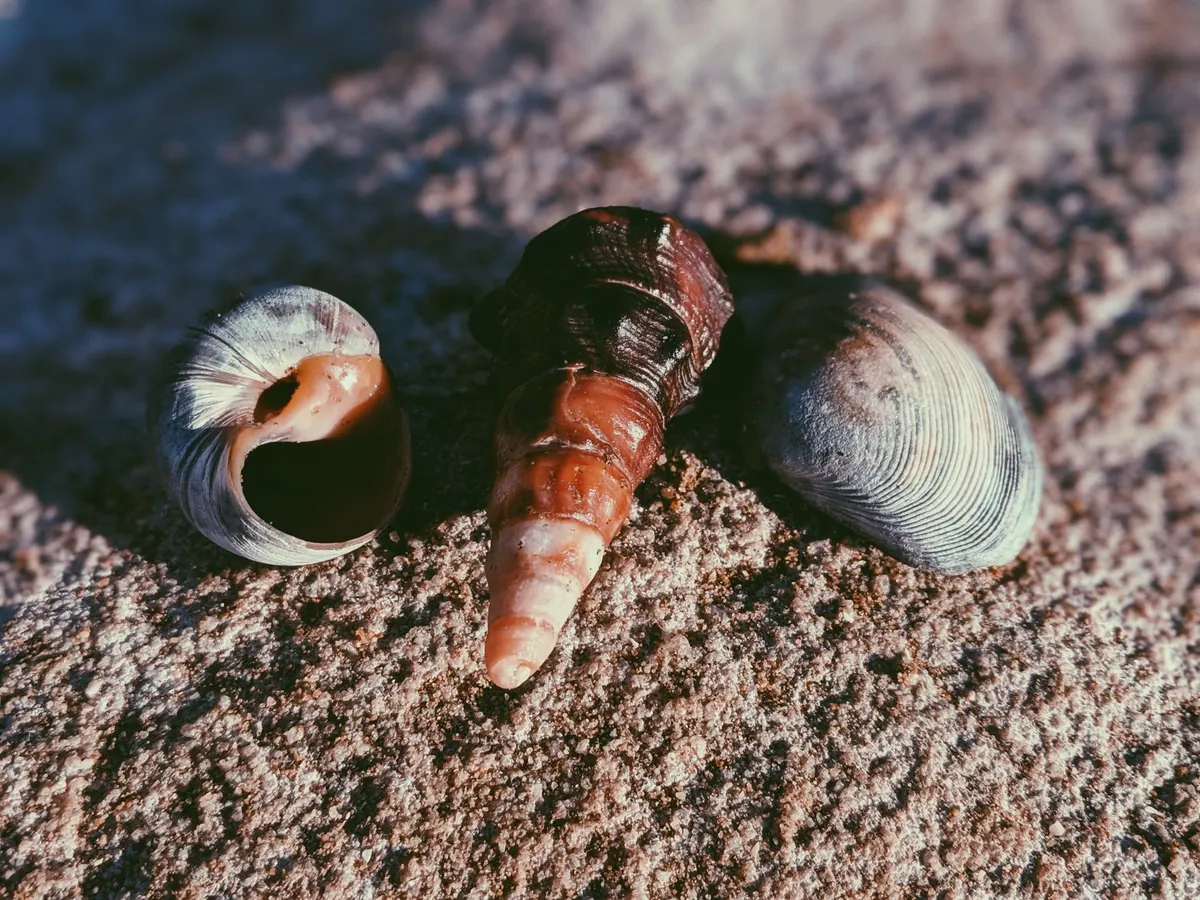
How to identify common British seashells, mermaid's purses and other beach finds — plus the simple rules that keep...

British seaside weather can deliver four seasons in one afternoon. Here is a flexible packing list covering layers,...
A month-by-month coastal gardening guide covering shelter, mulching, pruning and planting for colour, with practical...


Coastal living, nature, and seaside inspiration.
